What You Are Actually Visiting
Teotihuacan is not an Aztec site, which is the first thing most guides correct. The city was already ruins when the Mexica found it — they named it, gave it a mythology, and built nothing here.
A city with no known builders
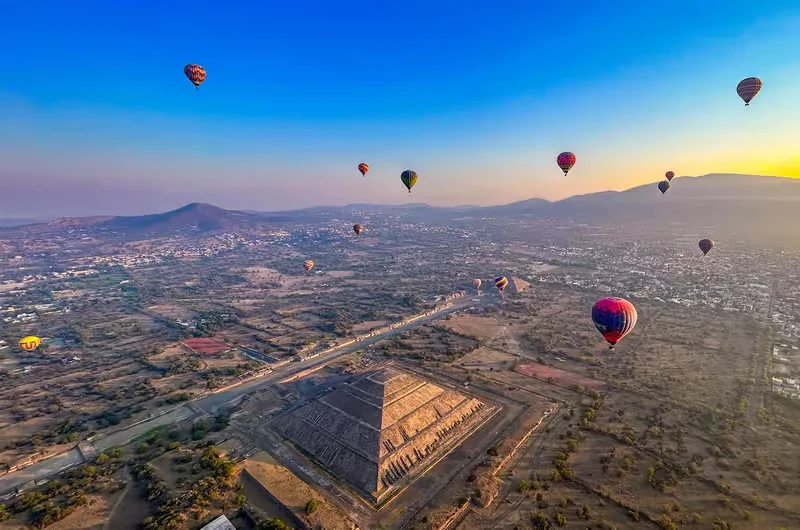
At its peak around 400 AD, Teotihuacan held roughly 100,000 people across 20 square kilometres, which made it larger than any city in Europe at the time and one of the largest anywhere on earth. Nobody knows what its inhabitants called themselves or what language they spoke. The name we use is Nahuatl, given centuries later by the Mexica, and it translates roughly as the place where men become gods — the scale of the ruins convinced them the builders could not have been ordinary people.
The city burned and emptied around 550 AD. Why is still argued over: internal revolt, drought, or the collapse of the obsidian trade that made it rich.
The three structures everyone comes for
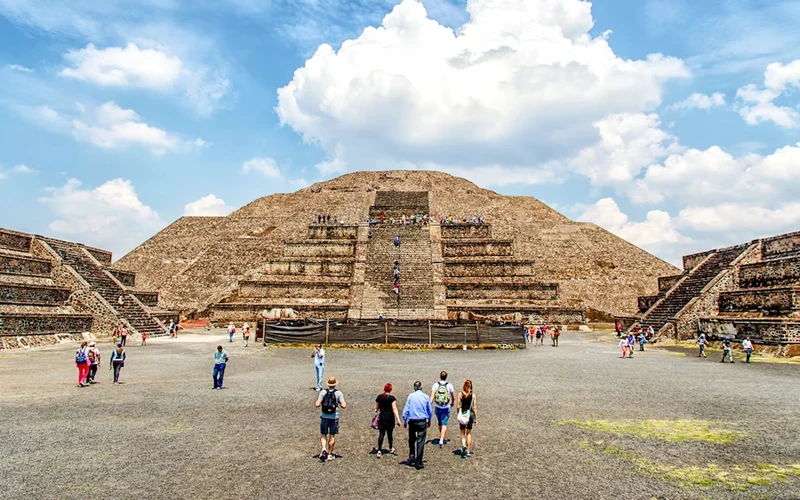
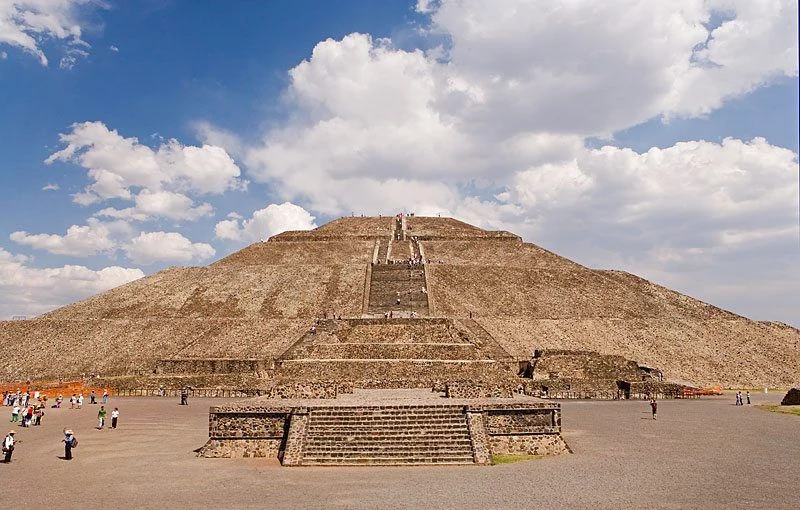
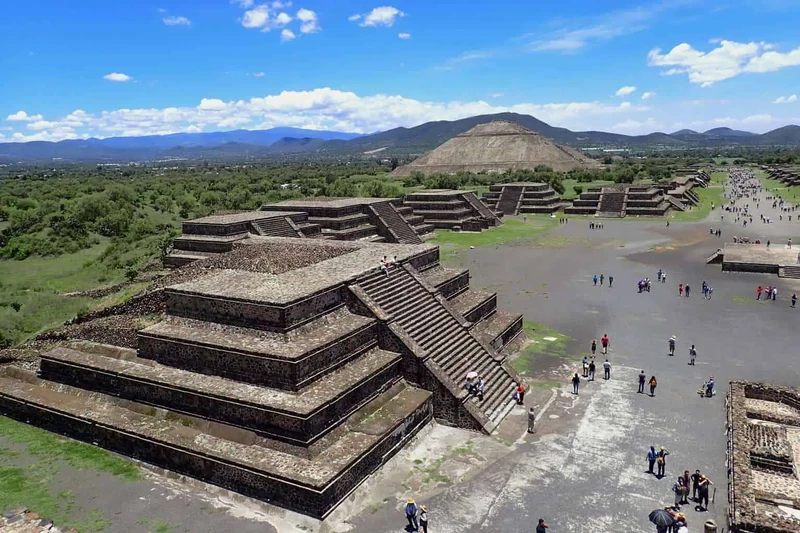
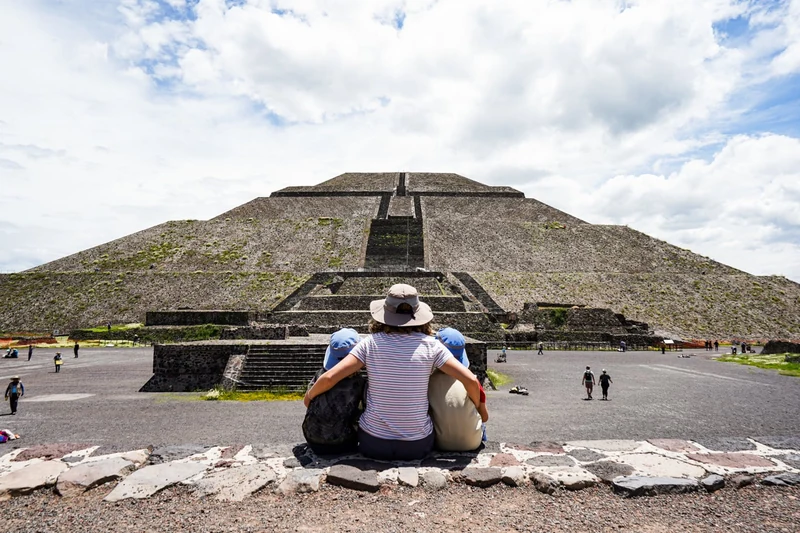
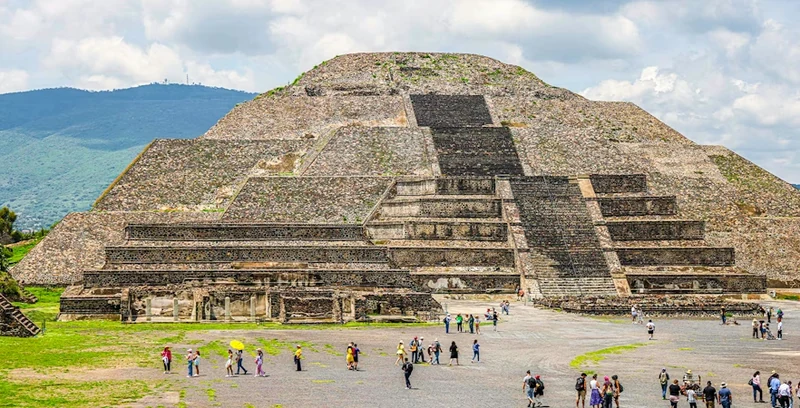
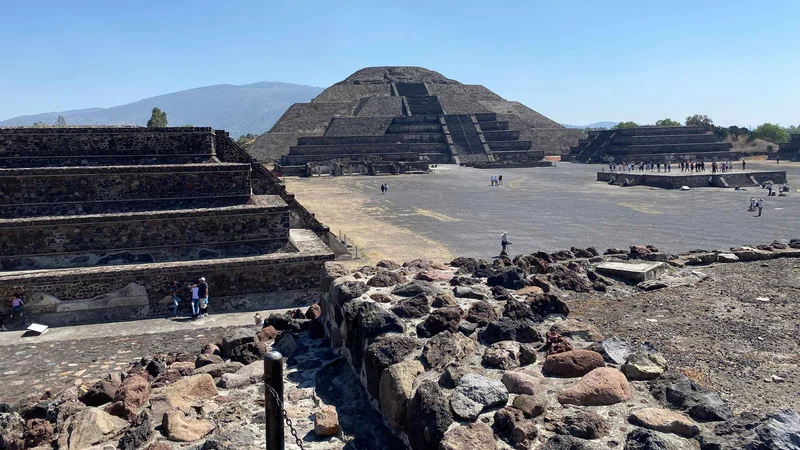
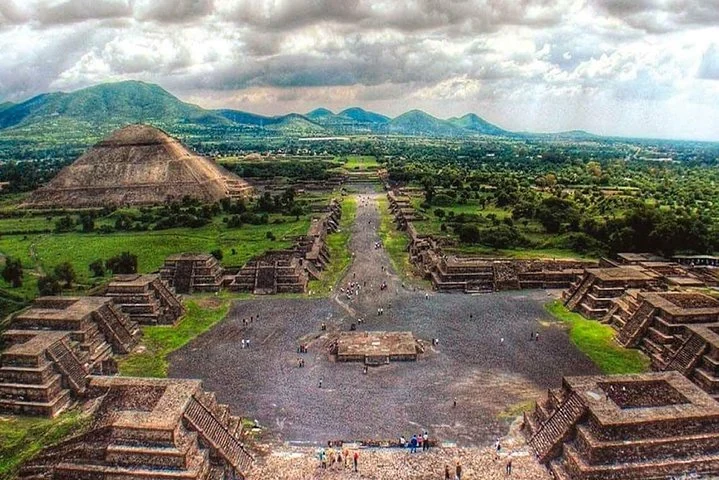
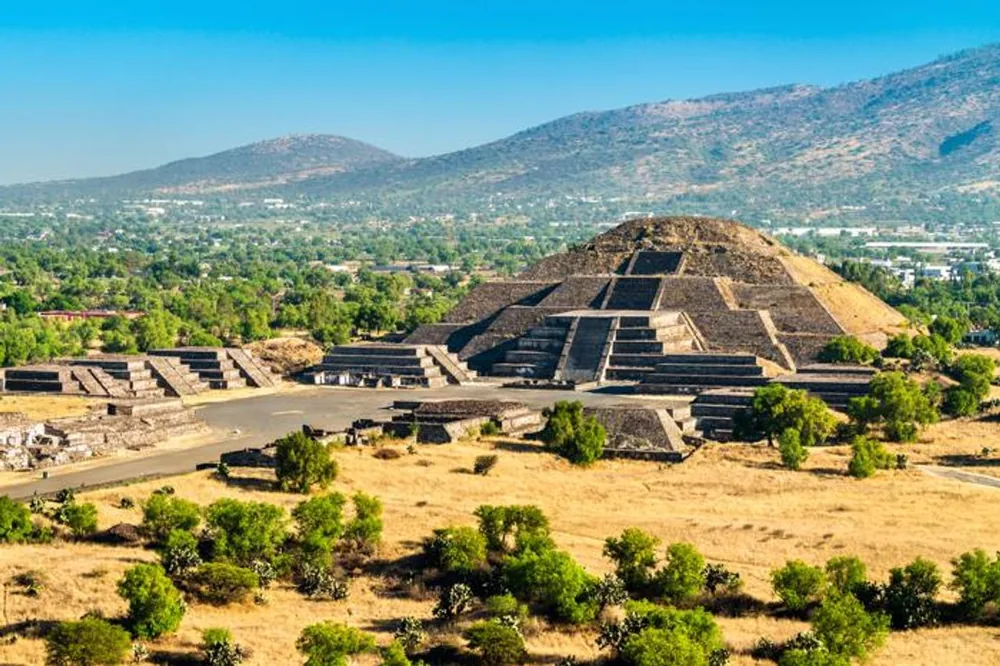
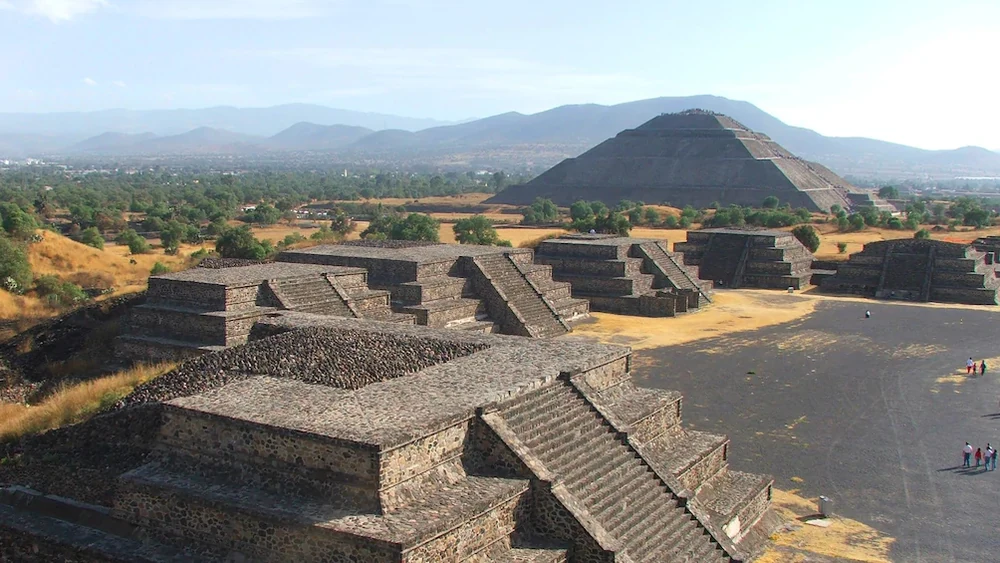
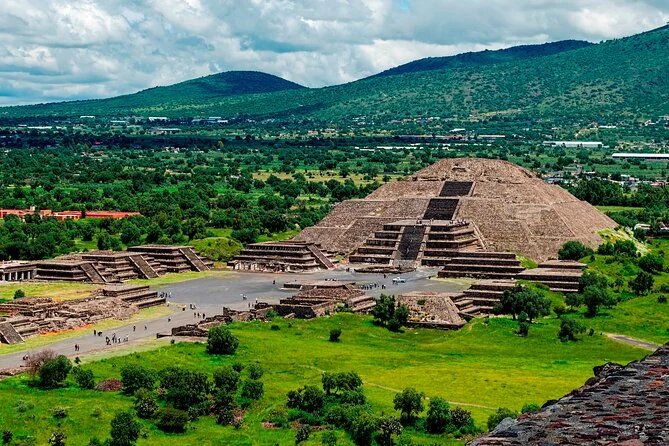
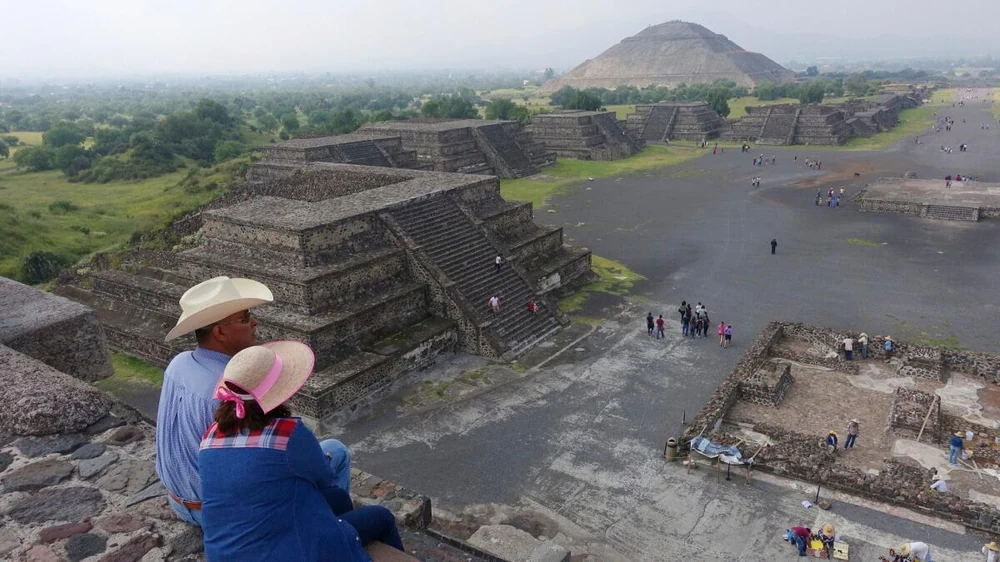
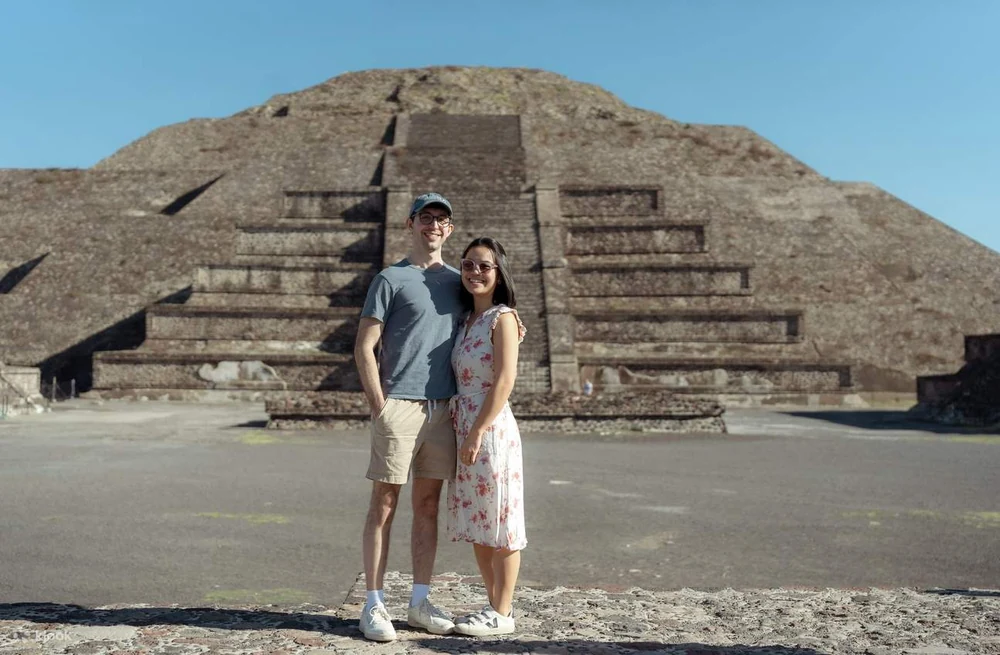
The Pyramid of the Sun is the third-largest pyramid in the world, roughly 63 metres high, sitting on a base close in footprint to the Great Pyramid at Giza. The Pyramid of the Moon closes the northern end of the Avenue of the Dead and was built in seven overlapping phases, each one swallowing the last. The Temple of the Feathered Serpent, at the southern end inside the Ciudadela, carries the carved serpent heads that appear on every postcard — and it gets skipped by rushed itineraries, which is worth checking before you book.
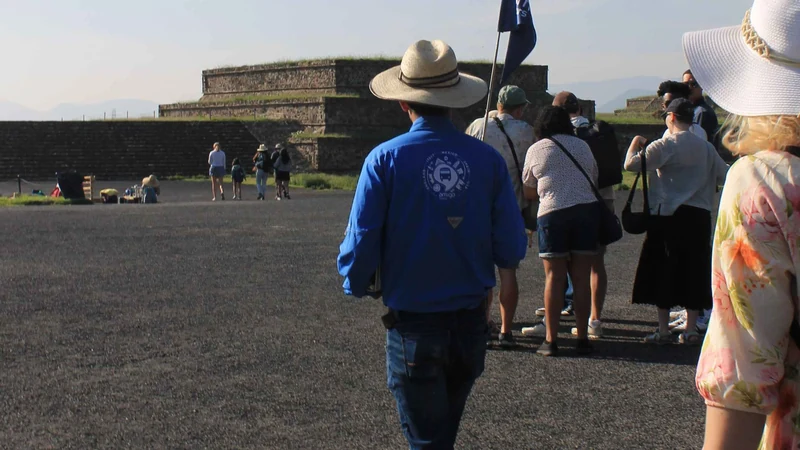
The half-day tour and the private historian tour both start there deliberately.
You can no longer climb to the top
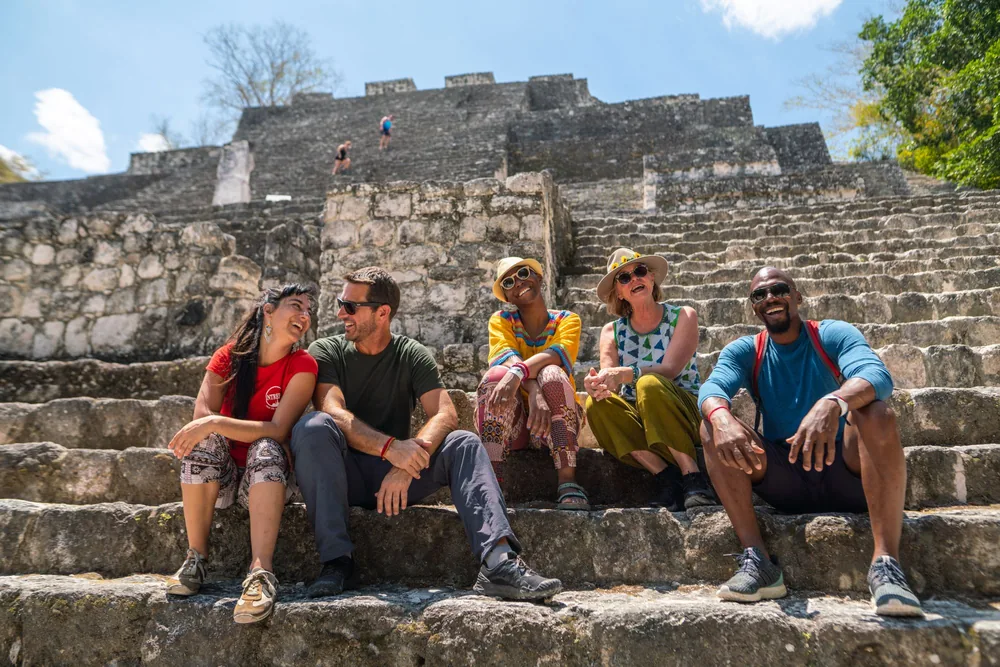
The summit climb of the Pyramid of the Sun — 248 steps — has been closed since 2020, after a fatal fall, and the closure has held. The Pyramid of the Moon is open only as far as its first platform. Older photos and a fair number of blog posts still show people standing on the summits, which sets expectations that the gate will not meet.
What remains is genuinely worth the trip: the first flight of stairs on the Sun pyramid gives a raised view down the avenue, and every guide covers the structures from ground level anyway. Anyone booking specifically to stand on top should know before they pay.
The Avenue of the Dead is the walk
The central boulevard runs 2.4 kilometres north to south, aligned about 15.5 degrees east of true north — deliberately, on a sightline archaeologists still argue about. Walking it end to end is the tour. There is no shade anywhere along it, the surface is uneven volcanic gravel and stone, and the site sits at roughly 2,300 metres, where the sun burns faster and dehydration arrives sooner than most visitors expect.
Every listing that mentions physical difficulty is describing this walk, not the pyramids.